• Kyle Skov Owatonna: Annual Pilgrimage to Goldbug Hot Springs

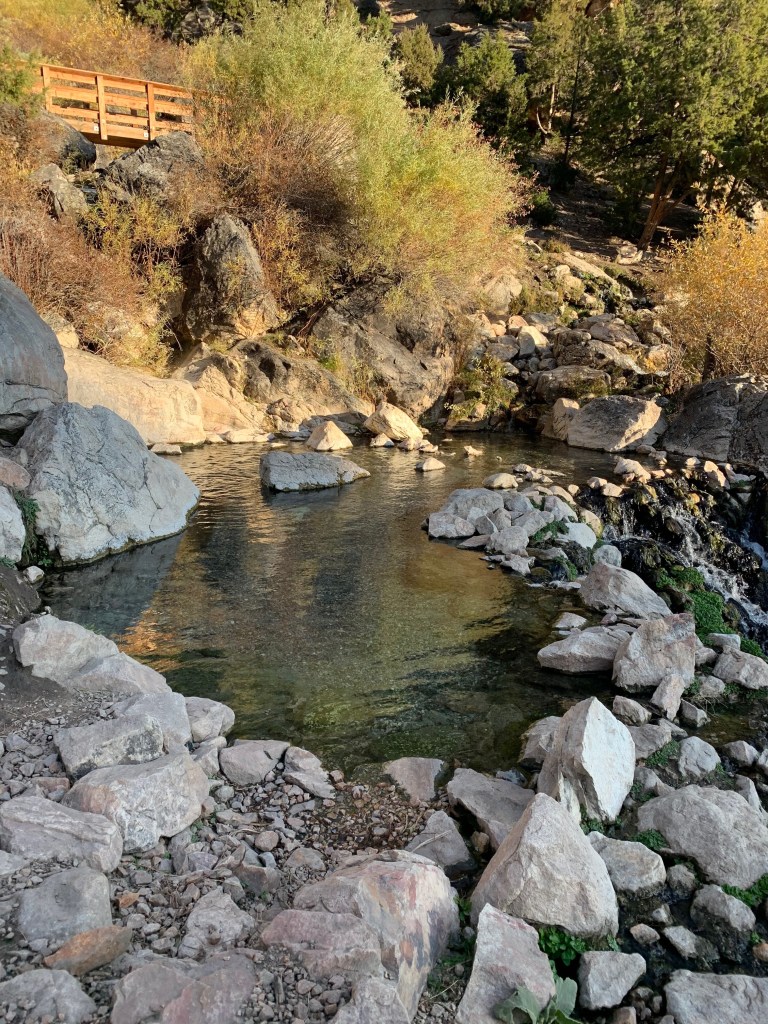
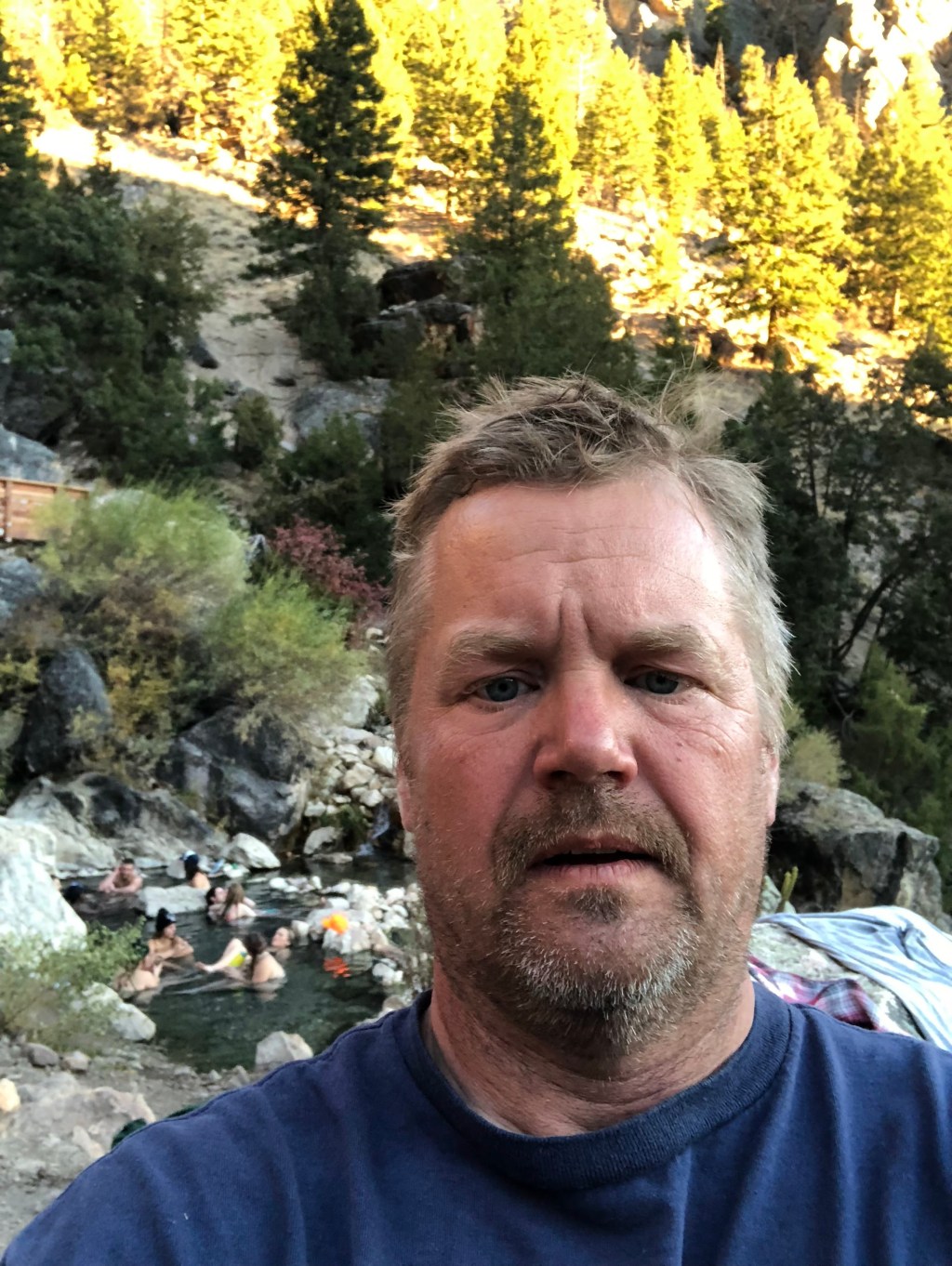
    Every fall, I visit Idaho and part of that visit is lacing up my boots, packing my layers, and head toward one of Idaho’s most enchanting secrets – Goldbug Hot Springs. Nestled in the Salmon-Challis National Forest, this 2-mile hike leads to a series of cascading, waterfall-fed pools that feel like nature’s own spa tucked into the mountains.  I try to make the hike a few times while I’m visiting and it is good warmup for the days ahead of climbing hills and mountains.


    The Trail Beckons

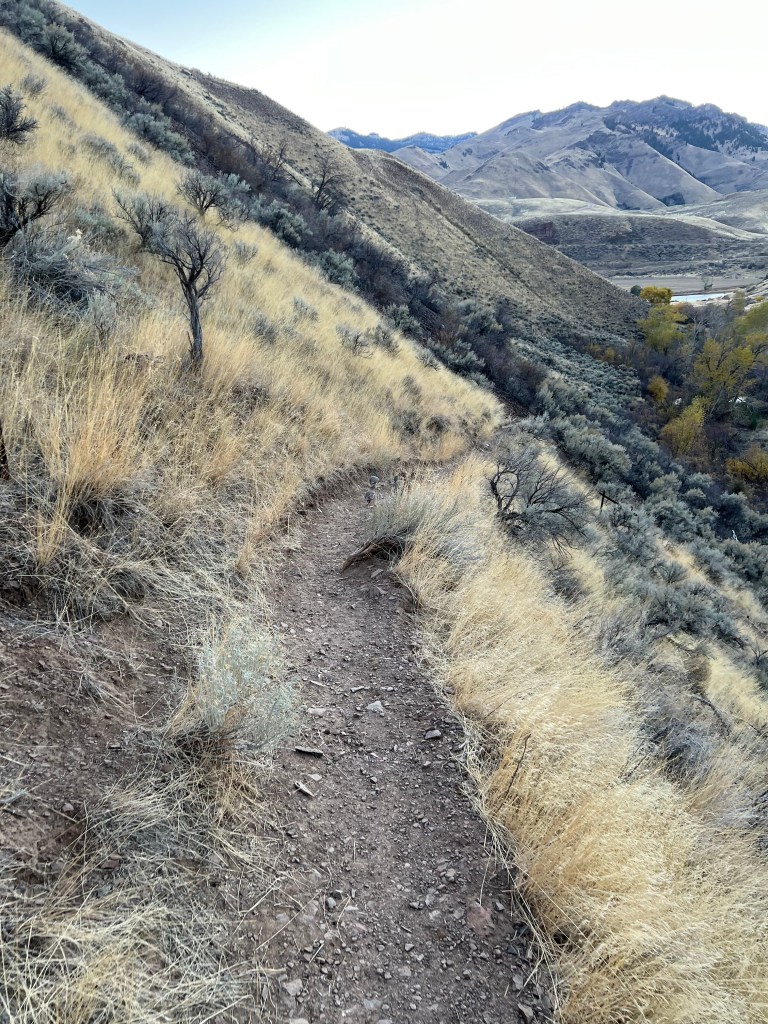
    The trailhead lies just off Highway 93 near Elk Bend, a blink-and-you’ll-miss-it kind of place. The hike itself is moderate—about 4 miles round trip with nearly 1,000 feet of elevation gain. The first stretch winds through private property, so I always tread respectfully. As the trail climbs, the landscape shifts: golden grasses sway in the breeze, aspens shimmer in their autumn glory, and the air carries that crisp, woodsy scent that only October can conjure.  The hike is mostly uphill on the way there, making the return trip relatively easy.  Trail improvements over the years have also made the hike easier, there is a section of boulders and a few steep natural stair climbs, but nothing a normally healthy adult can’t do.  


    Why Fall Is the Best Season

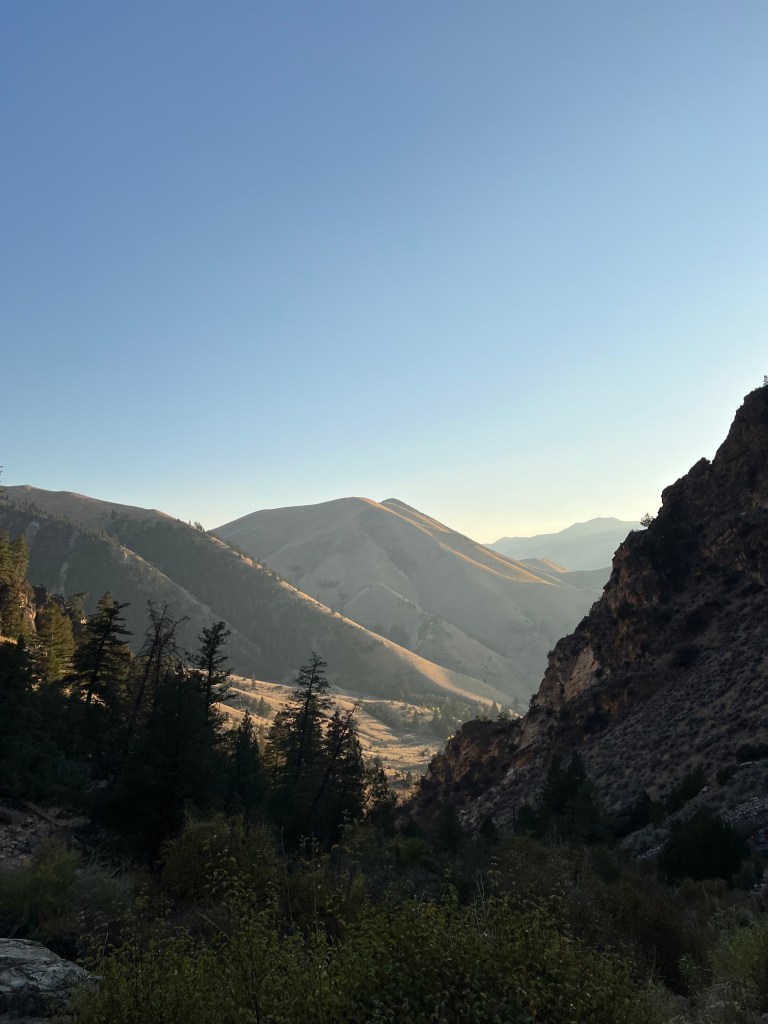
    There’s something about fall that transforms this hike into a ritual. The crowds thin out, the colors explode, and the cooler air makes the hot springs feel even more luxurious. I’ve hiked it in summer, when the pools are packed and the sun beats down relentlessly. But in fall? It’s serene. The valley views open up in hues of amber and rust, and the pools—some heart-shaped, others tucked into rocky alcoves—steam like cauldrons in the chilly air.

    Soaking in Solitude

    Once I reach the top, I always pause at the footbridge. Below, the springs glisten like liquid gems. I scramble down to my favorite pool—deep enough to stretch out, warm enough to melt away the miles. Each pool has its own personality: some are hotter, some cooler, and all offer panoramic views of the valley below. I’ve shared these waters with friends, strangers, and sometimes, I’ve had them all to myself.  There certainly isn’t anything like it in Owatonna!

    On one memorable visit, I hiked up in the dark and caught the sunrise from the pools.  I had the place all to myself.  

    I’ve seen license plates in the parking area from all over the United States and Canada.  

    Visitors should be aware that Goldbug Hot Springs is considered clothing-optional, and it’s not uncommon to encounter fellow hikers enjoying the pools in various states of dress. As always, respect for others and personal boundaries is key.


    Camping Under the Stars

    There are free BLM sites along the trail, I’ve never camped here but I can imagine and nothing beats waking up to the sound of rushing water and rustling leaves. Just remember: no camping within 500 feet of the springs, and always follow Leave No Trace principles.

     What I Pack Every Time

    • A towel and dry clothes
    • Flip flops or other water shoes
    • Snacks and plenty of water ( and maybe a couple cans of beer, no glass bottles)
    • A headlamp for the hike down if I linger too long in the pools
    • A clear mind and a sense of wonder

    Goldbug isn’t just a destination – it’s a tradition. Every fall, it reminds me to slow down, soak in the moment, and let nature do its magic. If you ever find yourself in Idaho with a free afternoon and a thirst for adventure, this hike might just become your tradition too.


  • If you’re looking to level up your fishing game, let me introduce you to the dream combo: King salmon fishing on the Nushagak River near Dillingham, followed by halibut hunting in Homer. It’s the kind of back-to-back adventure that turns seasoned anglers into storytellers.


    Dillingham: Where Kings Rule the River

    Located in the heart of Bristol Bay, Dillingham is your gateway to the legendary Nushagak River, home to one of the largest wild king salmon runs in Alaska. Outfitters like Nushagak Outfitters and Alaska King Salmon Adventures offer 5-day packages that immerse you in the raw beauty of the Alaskan frontier.

    • Timing: Peak king salmon season runs from mid-June to early July.
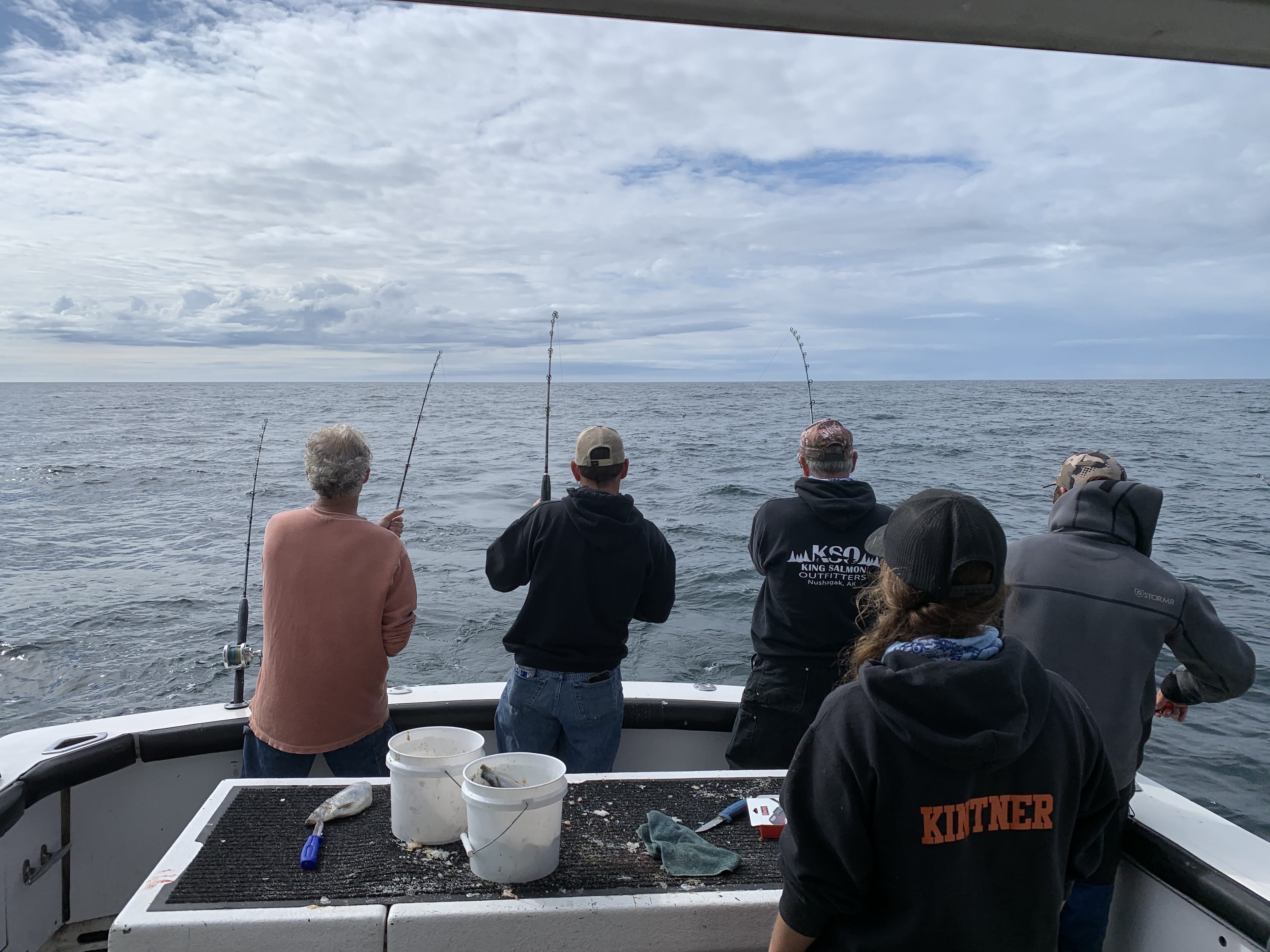
    • Experience: Whether you go guided or unguided, expect heart-pounding action as you battle Chinook salmon that can weigh 30–50 pounds.
    • Setting: Remote riverside lodges, gourmet meals, and the kind of silence only found in true wilderness.
    • Float Plane: The float plane ride from Dillingham up the Nushagak was very memorable.  Every member of the party including our gear had to go on the scale before leaving so the pilot could stay under his weight.  

    I still remember the moment I landed my first Nushagak king—it hit like a freight train and ran like it had somewhere to be. The fight lasted nearly 20 minutes, and I was grinning for hours afterward.

    We flew multiple flights to get to fish camp on the Nushagak river and met some great people.  One couple we met was originally from Owatonna and have since moved back there.  Small world for sure.


    Homer: Halibut Heaven Awaits

    After your river adventure, rent a car and drive down to Homer for a salty contrast. The halibut here are deep-dwelling giants, and the ocean offers a whole new rhythm. It’s a perfect way to round out your Alaskan fishing experience.

    • Combo Options: Many charters offer halibut/salmon or halibut/rockfish combos.  Depending on the tide chart, the halibut areas might not be good all day.  Good charters will get you out after salmon and rockfish during the slow times of the day, but will make sure your where you need to be for the halibut.
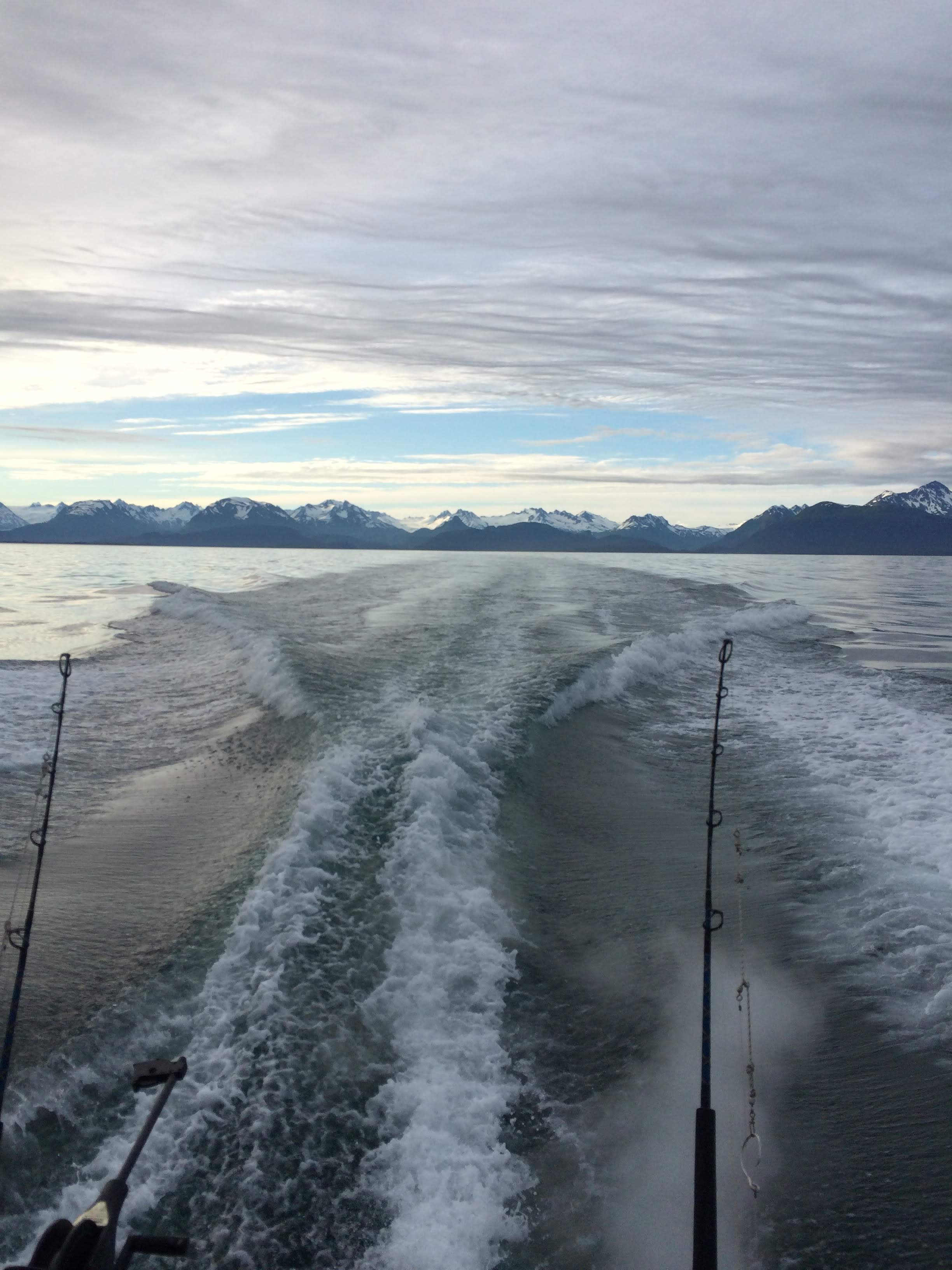
    • Scenery: Towering mountains, glacier views, and marine wildlife galore.  Depending on the fishing location, the ride from Homer could be half hour to 2 hours.  The boat ride is a journey in itself.
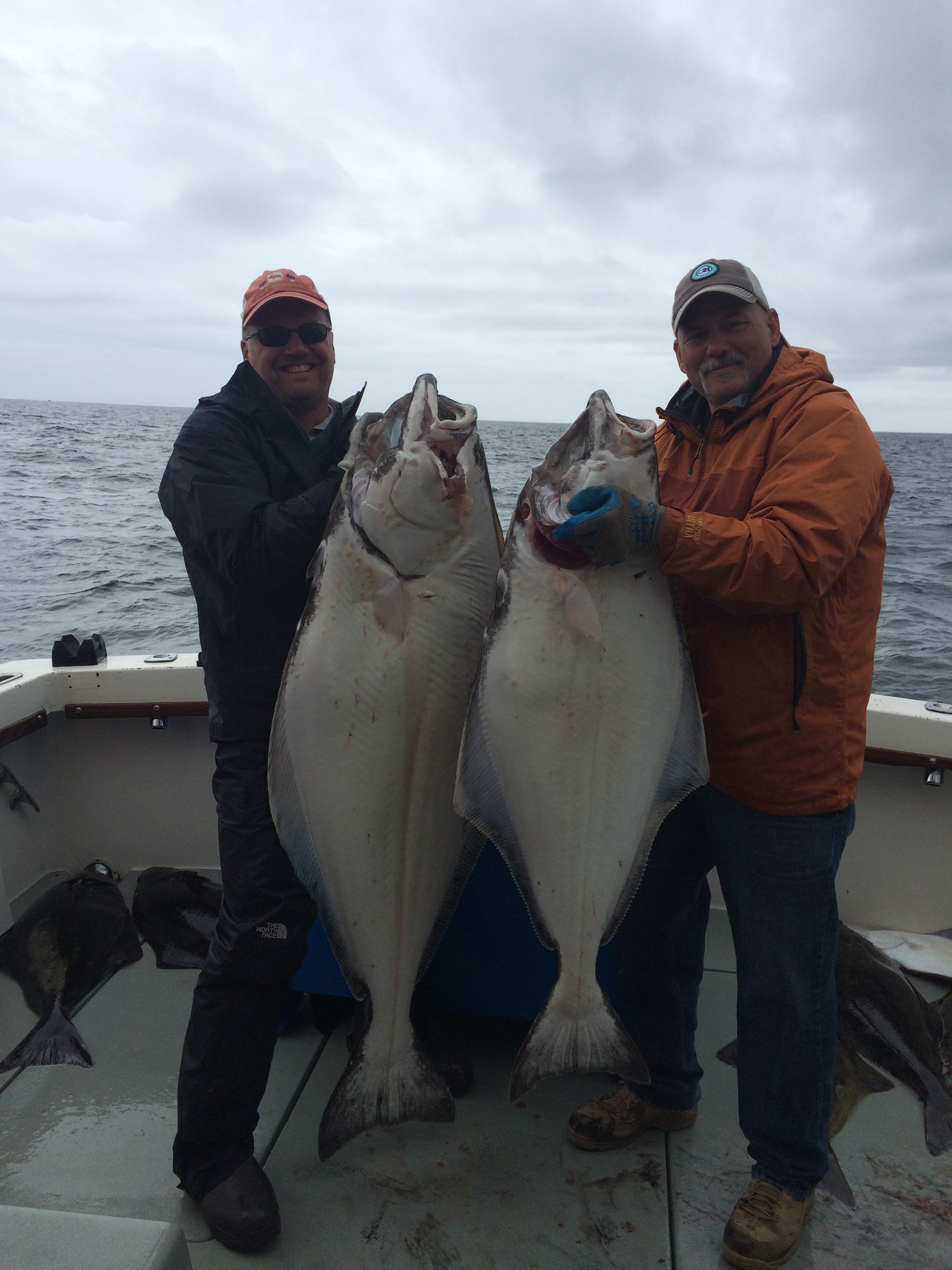
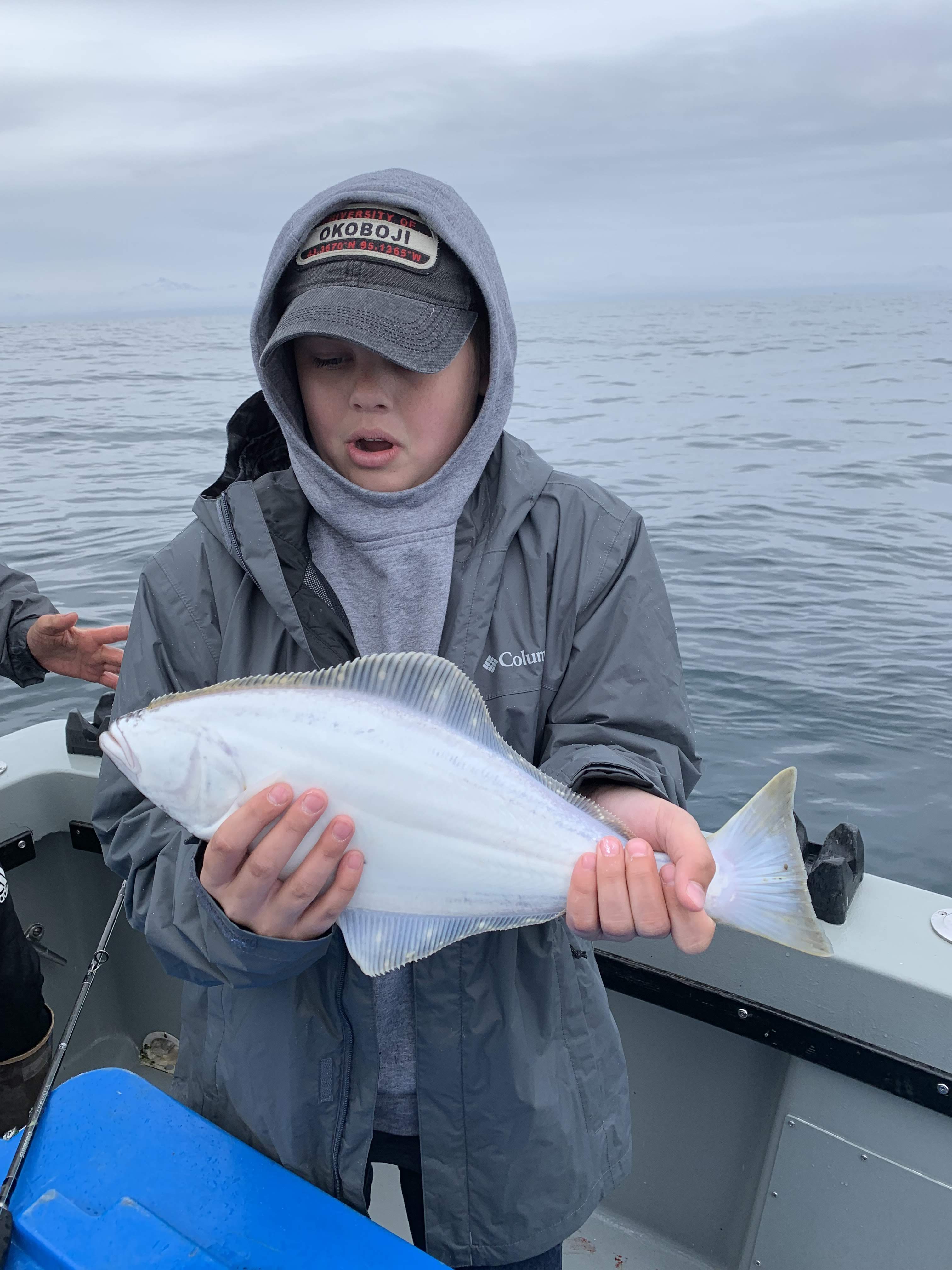
    • Catch: Halibut ranging from 20 to 200+ pounds, plus bonus species like lingcod and rockfish.  My largest fish, a 65 pounder broke the harpoon.  The captain had to go old school to get it in the boat.  Halibut fishing in Homer is a full-body workout, it feels like dragging a barn door off the ocean floor..
    • Charter boats: Each charter begins early—usually around 6:30 a.m.—with a safety briefing, gear setup, and a scenic ride to the fishing grounds. Along the way, we often spot whales, puffins, and sea otters, making the journey as memorable as the catch.

    Logistics & Tips
    • Travel: Fly into Dillingham via Anchorage, then return to Anchorage and drive to Homer.
    • Fish Transport: The Anchorage airport has freezer space that can be rented for your fish boxes.  Some hotels also have freezers where you can store frozen fish.  There are fish processors in Homer that will clean, package and flash freeze your catch.  No need to overnight home, just get an insulated fish box and check the box (keep it under 50#, the packer will weight it for you).  
    • Packing: Layered clothing, waterproof gear, and bear-safe storage for the river leg.
    • Mindset: Be ready to unplug, embrace the elements, and fish like you mean it.
    • Sidetrips: We really enjoyed our side trip to Whitter, AK.  To get there you drive through a tunnel that is shared with train tracks.  Cars drive on the tracks (when there are no trains) travel only goes in one direction at a time.  So for the first half of the hour you can go one way then the other direction has their turn.
    🎣 Two Worlds, One Epic Tale

    This combo trip is more than just fishing—it’s a full-spectrum immersion into Alaska’s wild soul. From the thunderous runs of king salmon in pristine rivers to the deep-sea battles with halibut off Homer’s coast, it’s a journey that leaves you changed. And if you’re lucky, with a freezer full of fillets and a heart full of stories.

    Since traveling to Dillingham and Homer, I’ve returned a few time to Homer for Halibut.  

    When not fishing, Homer offers hiking trails, art galleries, and the famous Homer Spit. I’ve kayaked with sea otters, watched bears from a safe distance, and even taken a flightseeing tour over glaciers. It’s a place where nature feels close enough to touch.

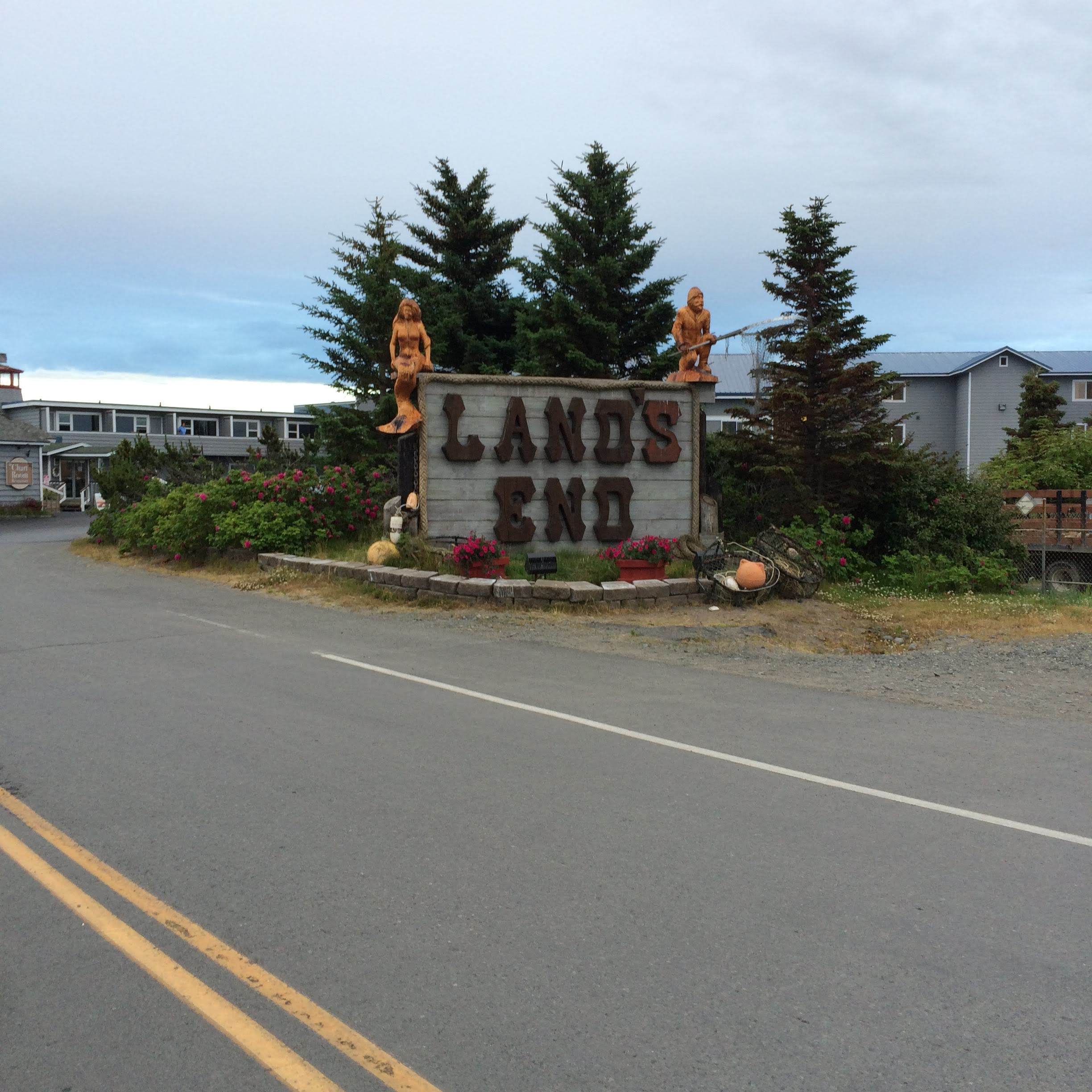
    Homer isn’t just a fishing town—it’s a portal to adventure. Nestled on the edge of Kachemak Bay, it offers access to rich fishing grounds teeming with halibut, salmon, rockfish, and lingcod. I’ve fished with several charter outfits.

    Multiple trips to Homer have taught me that fishing is never just about the fish. It’s about the people you meet, the landscapes that humble you, and the stories that get better with every retelling. Whether you’re chasing trophy halibut or just soaking in the Alaskan vibes, Homer delivers every single time.


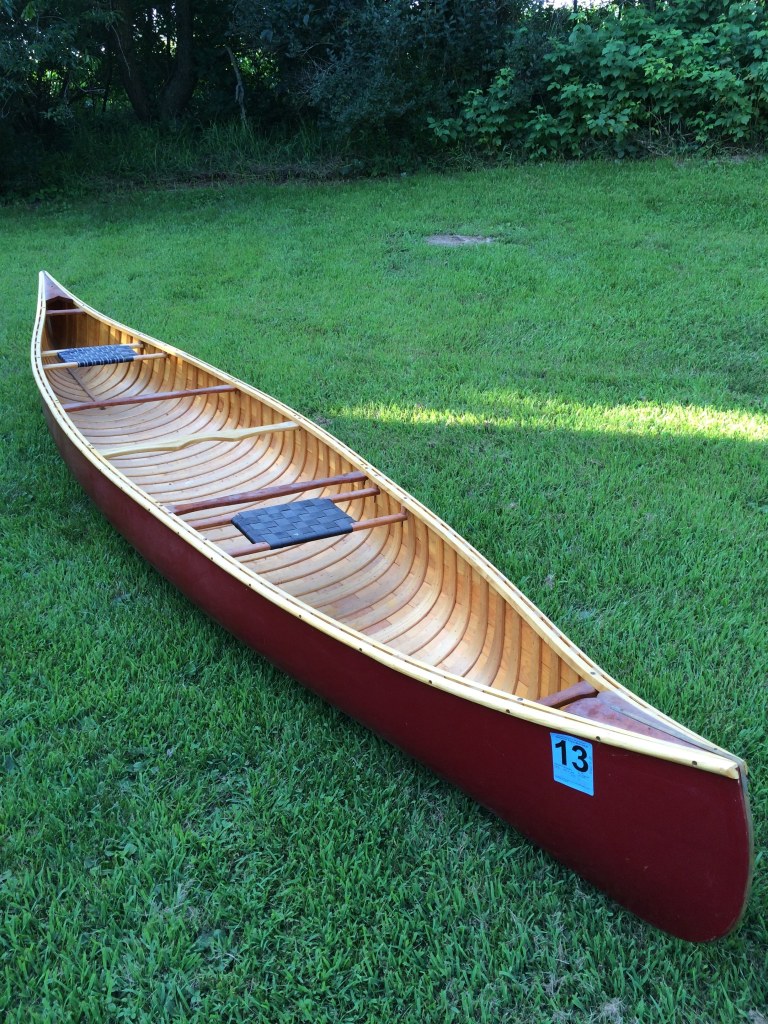
  • There’s something timeless about a cedar canvas canoe. It’s not just a vessel—it’s a tribute to craftsmanship, heritage, and the quiet beauty of natural materials. Building one is a journey that blends woodworking, artistry, and patience. Whether you’re a seasoned woodworker or an beginner, this guide walks you through the process of creating your own cedar canvas canoe.  Launching from Owatonna, MN to points across the northland.

    Several years ago I embarked on the journey of building my own cedar canvas canoe.  What follows is a brief synopsis of the process of building a cedar canvas canoe.  The focus was on the journey, not the destination.

    Why Choose Cedar and Canvas?

    Cedar canvas canoes have been cherished for over a century. Here’s why they remain popular:

    • Lightweight & Durable: Cedar is naturally rot-resistant and lightweight, making it ideal for watercraft.
    • Flexibility: The canvas skin allows the canoe to flex slightly, absorbing impacts better than rigid hulls.
    • Repairable: Damage to the canvas or wood can be patched or replaced without compromising the entire structure.
    • Aesthetic Appeal: The warm tones of cedar and the classic lines of the canoe make it a visual masterpiece.

    Materials & Tools You’ll Need

    Materials:

    • White Cedar planks – I sourced my white cedar from a supplier in Superior, Wisconsin.  
    • Ash for gunwales and ribs – Sourced from Vetsch Hardwoods in Rochester, MN 
    • Canvas (No. 10 duck canvas is common) – Purchased from Stewart River Boatworks in Knife River, MN https://stewartriver.com/
    • Marine-grade epoxy or varnish – I used West Systems two part epoxy and Minwax spar varnish
    • Bronze  – Sourced from Northwoods canoe in Maine.  https://www.wooden-canoes.com/
    • Wood glue
    • Paint or filler for canvas sealing – Also sourced from Stewart River Boatworks.

    Tools:

    • Steam box (for bending ribs)
    • Clamps
    • Hand saws and block planes
    • Spokeshave
    • Drill and bits
    • Sandpaper
    • Staple gun or tacks
    • Brushes and rollers
    • Canvasing Pliers – a wide jaw vise grips for pulling the canvas tight over the finished planking.
    • Bandsaw, for resawing cedar into planks and ribs

    Step-by-Step: Building the Canoe

    1. Design & Planning

    Choose a canoe design that suits your needs—solo paddling, tandem, or cargo. I purchased a plan set for the Stewart River Pal from Stewart River Boatworks.  The plan is based on the Chestnut Pal.  From Stewart River regarding the Pal, “The beauty of this boat is that it fits the sportsman’s need for a stable canoe, yet has good paddling characteristics. It’s perfect for a family canoe trip or an evening paddle”.

    2. Build the Mold

    Construct a strongback and mold stations based on your chosen design. These forms shape the hull and guide the planking.  One of the challenges of building a cedar canvas canoe is building the mold.  Because the mold is full size, it takes up as much room as the canoe itself, so finding a place to store it can be challenging.

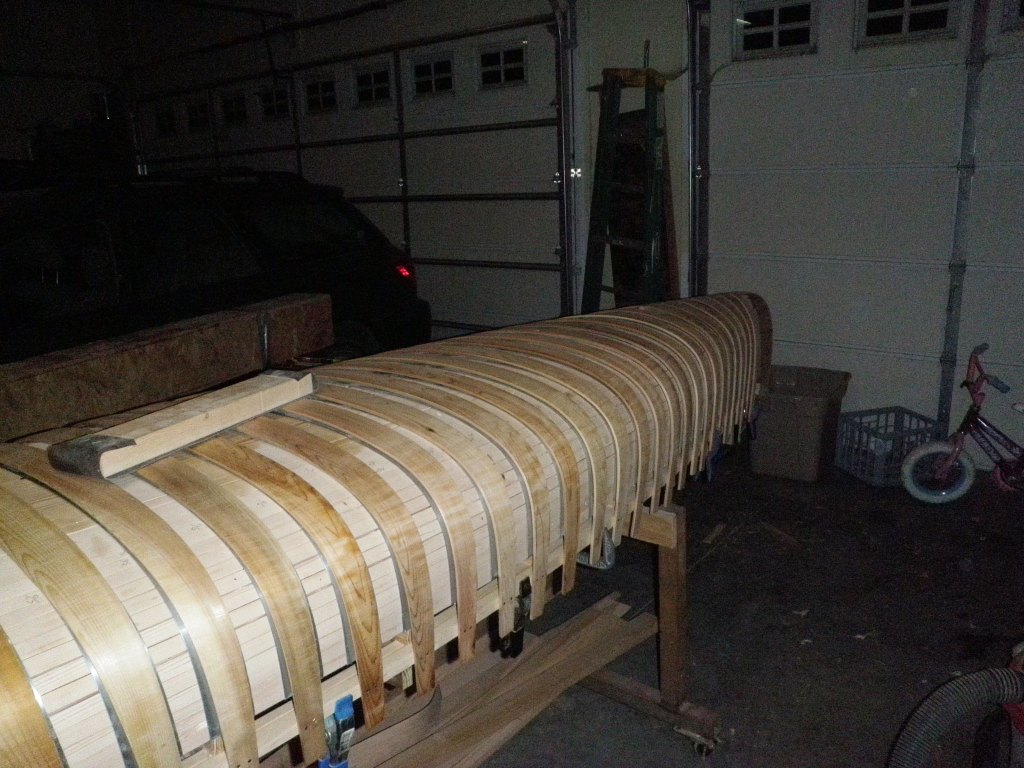
    A canoe mold, weather for a cedar canvas or cedar strip boat is a series of station molds.  Simply put, a station mold is a representation of the final canoe shape at stations (predetermined distances) along the length of the canoe.  The station molds are attached to the strongback or base of the canoe.  In the case of the cedar canvas canoe, the station molds are then covered with additional fairing strips to create a male mold.  Sheet metal is also attached perpendicular to the fairing strips at the rib locations.  This is done to “clinch” the brass tacks when the planks are attached to the ribs.

    3. Steam & Install Ribs

    • Soak and steam white cedar ribs until pliable.
    • Bend them over the mold and clamp in place.
    • Allow to dry and set before fastening.

    4. Plank the Hull

    • Attach cedar planks longitudinally along the ribs.
    • Use tacks or staples to secure each plank.
    • Plane and sand the hull smooth once planking is complete.

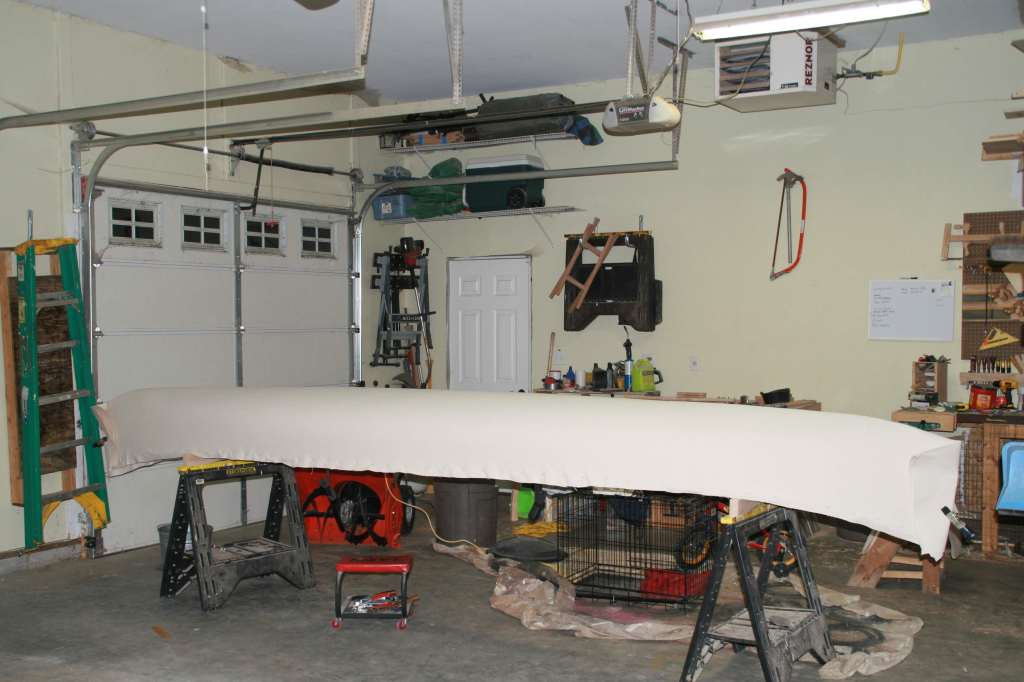
    5. Apply the Canvas

    • Stretch canvas tightly over the hull.
    • Tack it along the gunwales.
    • Use a filler compound to seal the canvas and create a smooth surface.
    • Let it cure thoroughly.

    6. Install Gunwales, Decks & Seats

    • Attach inner and outer gunwales.  I chose Ash for durability
    • Add decks at the bow and stern.  To add some flair, I used cherry wood for the decks.
    • Install seats using dowels or cane webbing.  My first attempt was to use cherry for the seats, while they looked great, they were not durable enough for the weight placed on them.  They were replaced with ash seats.
    OLYMPUS DIGITAL CAMERA

    7. Finish the Canoe

    • Sand all surfaces.
    • Apply marine varnish or epoxy to protect the wood.
    • Paint the canvas hull with marine-grade paint.

    Tips for Success

    • Take your time: Rushing leads to mistakes. Enjoy the process.
    • Practice steam bending: It’s an art—experiment with scrap wood first.
    • Keep it dry: Moisture is the enemy during construction.
    • Document your build: Photos and notes help if you build another.

    The Reward

    Launching your cedar canvas canoe is a moment of pride. It’s more than a boat—it’s a handcrafted heirloom, a floating piece of history, and a testament to your dedication. Whether gliding across a local lake in Owatonna or a misty on a BWCA lake, your canoe will carry stories for generations.

    There are a lot of resources in print and online for constructing a cedar canvas canoe.  Cedar strip canoes tend to be more common I believe due to less investment in the form.  

  • Kyle Skov, Owatonna: Voyageurs Over the Years: Powerboats, Campfires, and a Floating Home

    There’s a rhythm to returning to the same wild place over and over—each visit layering new memories over old ones, like moss growing on stone. For me, that place is Voyageurs National Park, tucked away in the watery wilderness of northern Minnesota. Over the years, I’ve explored it several times by powerboat, pitched tents on remote islands, and even drifted through its lakes aboard a houseboat. Each experience has etched its own chapter into my story.


    Powerboats and Island Campsites: The Classic Voyageurs Experience

    Most of our visits have been powered by, well, powerboats. There’s no better way to navigate the sprawling lakes—Crane, Kabetogama, Sand Point, and Namakan—than skimming across the water with the wind in your face and a map full of island campsites to choose from.

    We’d load up the boat with gear, pick a secluded site, and set up camp for a few days. There’s something deeply satisfying about arriving at your own little island, unloading coolers and tents, and watching the sun dip below the horizon as loons call in the distance. Campfires crackled, naps in a hammock, fish sizzled in the pan, and the stars overhead felt impossibly close.


    The Joys and Challenges of Camping

    Camping in Voyageurs is a blend of rugged and serene. Some sites are tucked into quiet coves, others perched on rocky bluffs with panoramic views. We’ve weathered sudden summer storms, swatted more mosquitoes than I care to count, and woken up to fog so thick it felt like the lake had swallowed the world.

    But we’ve also had mornings where the water was glass, the coffee was hot, and the only sounds were birdsong and the gentle lapping of waves. Those are the moments that stick.


    The Houseboat Adventure: A Floating Cabin in the Wilderness

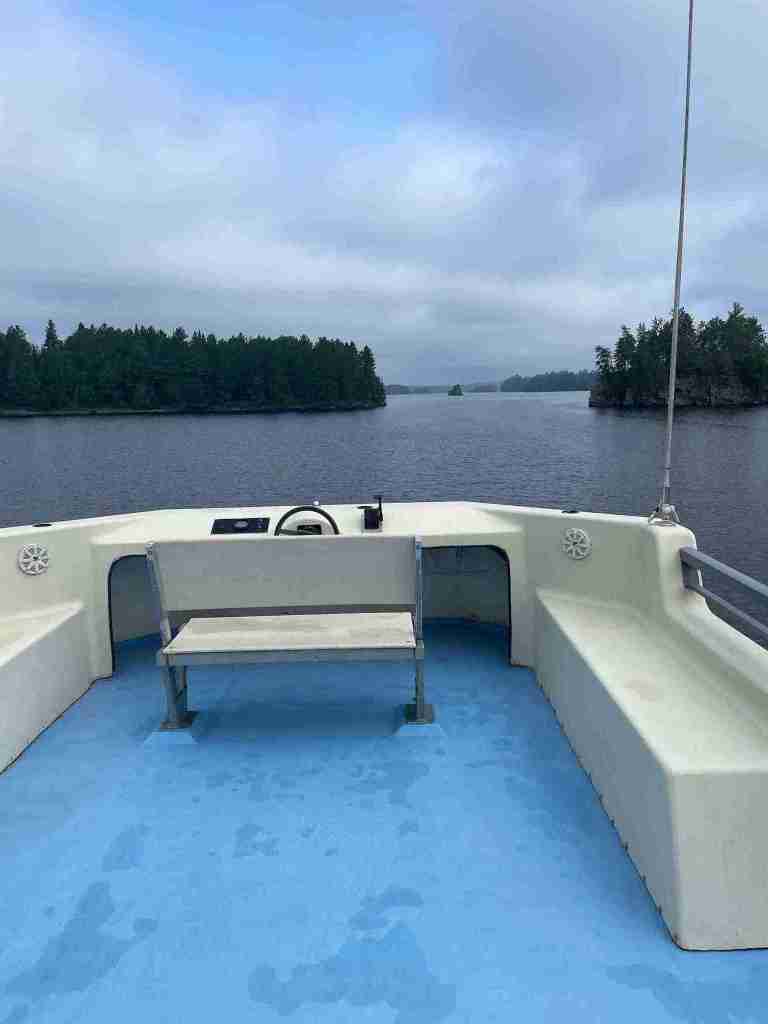
    One year, we decided to switch things up and rent a houseboat. It was a game-changer. Imagine waking up in a cozy bed, stepping out onto a deck surrounded by water, and sipping coffee as the shoreline drifts by. Having a cabin that moved with us was an unforgettable experience.

    We explored hidden bays, anchored near sandy beaches, and even docked at some of our favorite campsites just for a picnic. Everyone loved sliding off the back into the lake, and evenings were spent playing cards inside while the gentle rocking lulled us to sleep.  Trivia night over the marine band radio is still talked about today.  

    It was a more luxurious way to experience Voyageurs, but still deeply connected to the wild. No cell service, no distractions—just water, trees, and time.


    A Stop at Kettle Falls: History at the Border

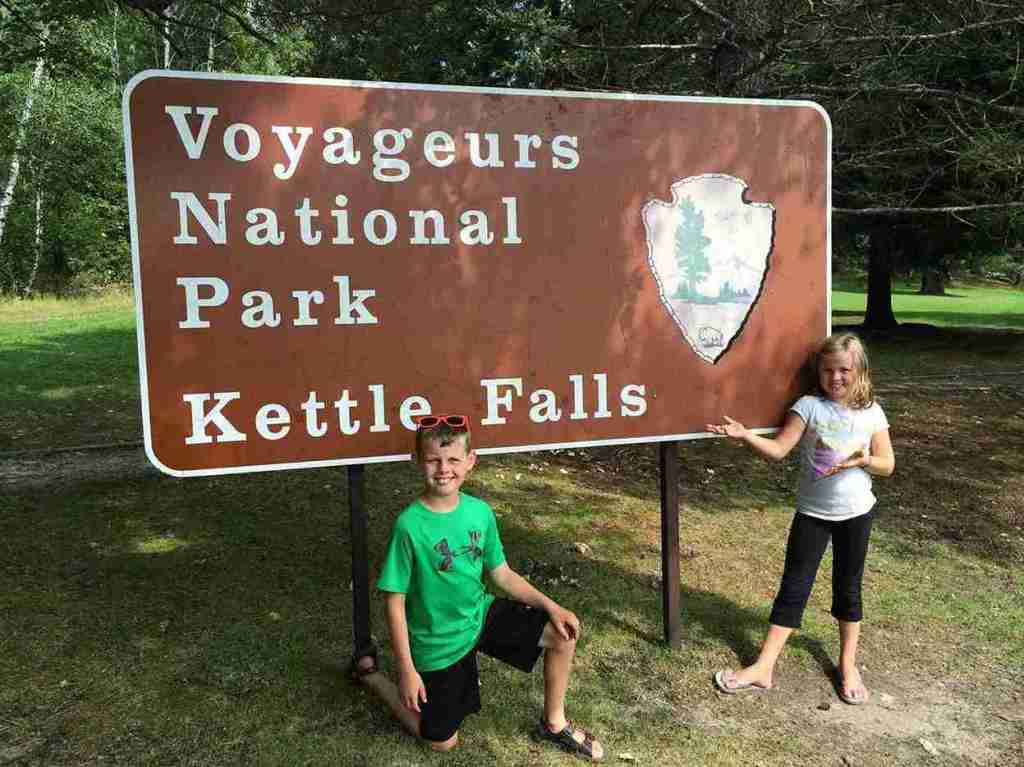
    One of the most memorable stops we’ve made was at Kettle Falls, tucked near the eastern edge of the Kabetogama Peninsula right on the Minnesota–Canadian border. Accessible only by water, this historic site is home to the Kettle Falls Hotel, a red-roofed lodge with a colorful past dating back to 1913.

    We docked the boat and wandered up to the hotel, where the air smelled of pine and the vibe was pure backwoods charm. The hotel’s bar famously tilts—yes, the floor actually slopes—and the walls are lined with stories of lumberjacks, trappers, and bootleggers who once passed through. We watched boats navigate the dam, and soaked in the sense of timelessness that hangs over the place.

    It felt like stepping into a living piece of history, and it added a whole new layer to our understanding of the park.


    Why We Keep Coming Back

    Voyageurs isn’t just a park—it’s a place that grows with you. Each visit has felt different: some were adventurous, some restful, some chaotic in the best way. But all of them were unforgettable.

    Whether you’re zipping across the lake in a powerboat, roasting marshmallows under the stars, or drifting in a houseboat with nowhere to be, Voyageurs has a way of reminding you what matters. It’s wild, it’s quiet, and it’s waiting.


    Kyle Skov Owatonna – Voyageurs National Park Main Entrance Sign
    Kyle Skov Owatonna – Crane Lake Ranger Station Sign
    Kyle Skov Owatonna – Houseboat Moored by Shore
    Kyle Skov Owatonna – Kettle Falls Sign
    Kyle Skov Owatonna – Voyageurs National Park Map
    Kyle Skov Owatonna – View from Houseboat Deck
    Kyle Skov Owatonna – Sunset over Calm Lake
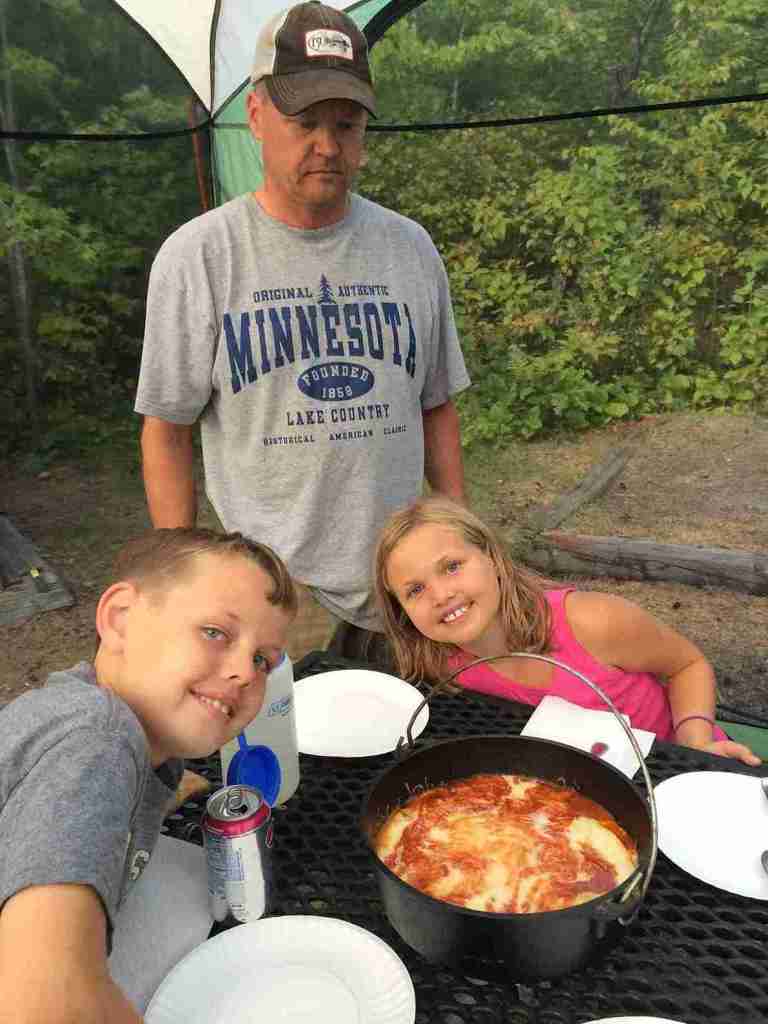
    Kyle Skov Owatonna – Dutch Oven Pizza at Camp
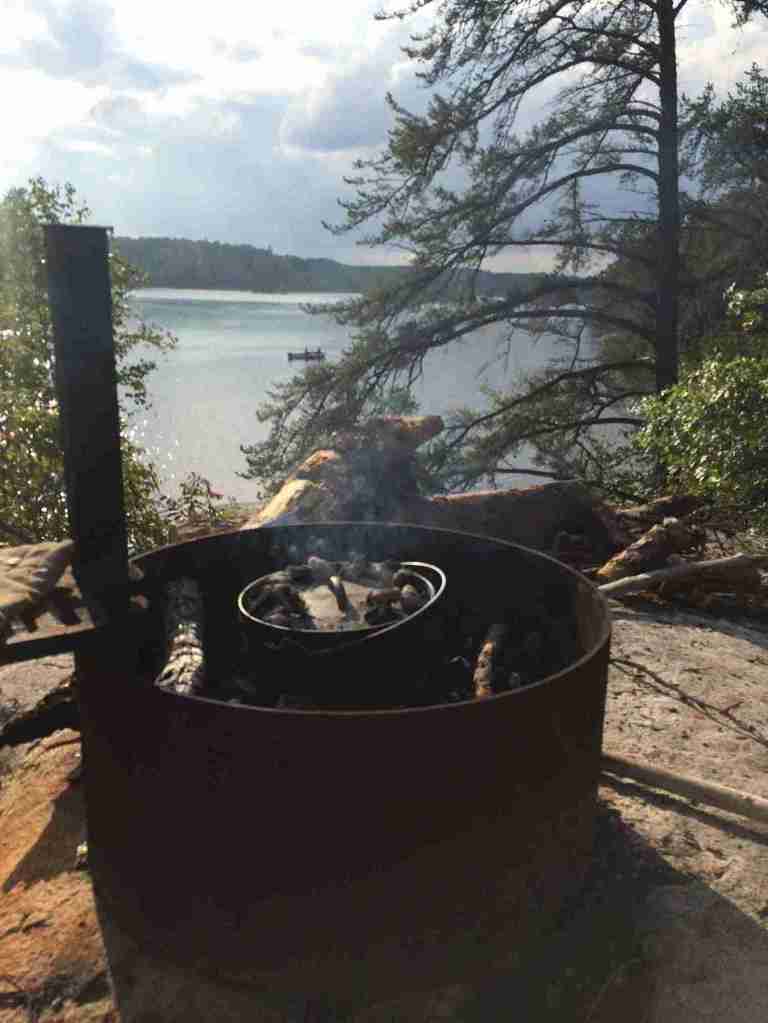
    Kyle Skov Owatonna – Campfire Cooking by the Lake
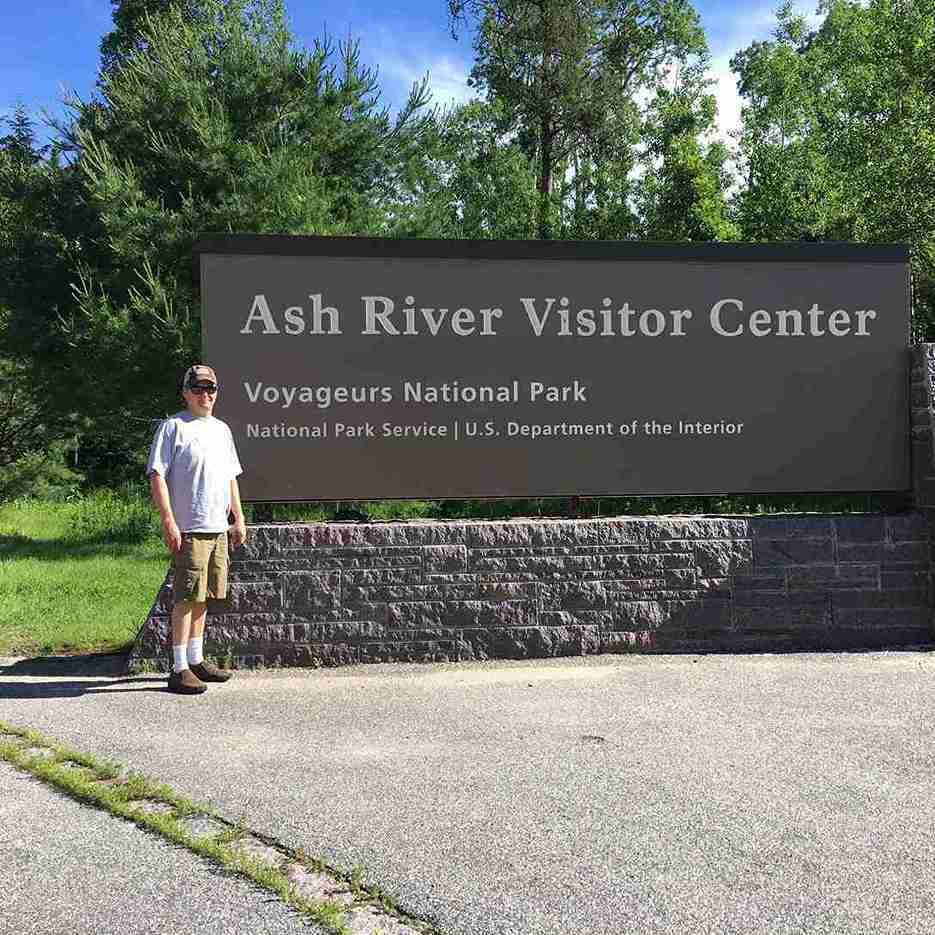
    Kyle Skov Owatonna – Ash River Visitor Center Sign

  • Kyle Skov’s Owatonna DIY Kitchen Remodel in Owatonna, MN: A Fresh New Look Without the Contractor

    After 9 years of using my kitchen remodel in Owatonna, Minnesota I thought I’d share some inspiration if you thinking about refreshing your kitchen.  I’m not afraid to tear into a major remodeling project, in between work and kids activities.  There were lots of late nights and long weekends to make it happen, but after all these years the sacrifice was worth the return on investment. Tackling a full kitchen transformation without hiring a contractor might sound daunting, but in Owatonna, where resourcefulness and community pride run deep, it’s more than possible—it’s rewarding.


    Why DIY in Owatonna?

    Many homes in Owatonna were built decades ago, and while they’re full of character, their kitchens often lack modern layout and efficiency. For my Owatonna family, since I enjoy cabinetry and have the tools to make it happen, we lived through the mess and saved a few bucks along the way.  There is a little bit of pride in completely gutting walls and existing 1978 cabinets and building back with modern layout and efficiency.  New appliances didn’t hurt either.  With some planning, hard work, and a little stick to it, we took on the remodel outselves—and the results speak volumes.

    Owatonna is a place where DIY spirit thrives, from weekend garage projects to full-scale home renovations. This remodel is a perfect example of what Owatonna homeowners can accomplish with a clear vision and a hands-on attitude.


    The Kitchen Before the DIY Overhaul

    Like many older kitchens in Owatonna, the original space had outdated cabinetry, worn countertops that years ago were the in thing, and poor lighting. Storage was limited, and the layout felt closed off. With the help of a family interior designer who helped breathe new life into the space—and they were ready to roll up their sleeves.

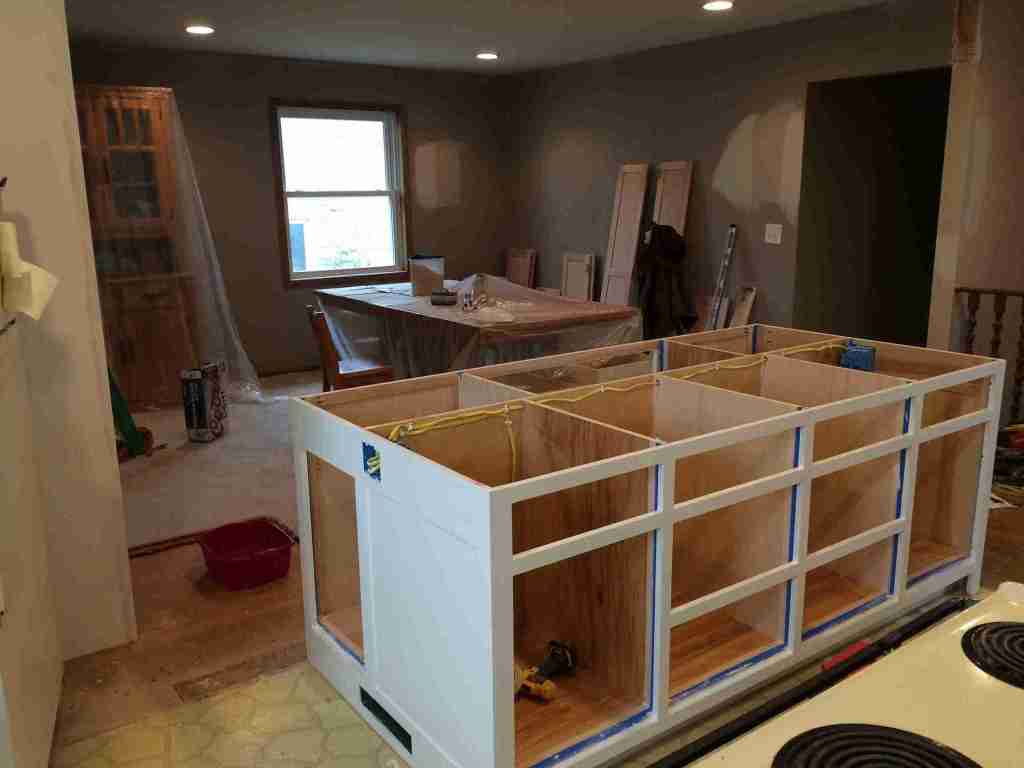
    Kyle skov - DIY Kitchen design

    Planning the DIY Kitchen Remodel in Owatonna

    The homeowners began their project by utilizing a layout provided by an interior designer that worked better for their family. They visited Kyle’s favorite hardwood supplier and began work, choosing:

    • Modern shaker 5 piece doors inset into the cabinet frame:  The extra challenge of inset doors isn’t apparent to most who see the cabinets, but the self pride knowing that I could do it was work it. 
    • Three dimensional laminate countertops, custom cut and finished by a local Owatonna cabinet shop
    • Subway tile backsplash: sourced from a local Owatonna big box store, the results were better than expected
    • New lighting fixtures sourced from an Owatonna store

    By staying local for supplies and leaning into the DIY process, they not only saved money but also supported other small businesses right here in Owatonna.


    Doing It Themselves—The Owatonna Way

    Over weekends and late nights, the kitchen began to take shape. Cabinet cases were built first and installed to allow for the installation of appliances and countertops, getting the family back into the kitchen, made the project manageable.  The countertops were installed and look great, and the subway tile backsplash added a polished and professional look.

    We also tackled new flooring—probably would go a little lighter in the future, but happy overall with how it turned out.  Wall were repainted and new trim was installed to give the kitchen a bright, clean feel.


    The Finished DIY Kitchen: A Proud Owatonna Achievement

    The finished space is light, functional, and personal. With crisp white cabinets, and thoughtful lighting, the kitchen now feels open and welcoming—ready for everything from busy breakfasts to quiet evening meals.

    Most importantly, the remodel reflects the character of Owatonna itself: practical, hands-on, and community-minded.


    Tips for Your Own DIY Kitchen Remodel in Owatonna.

    If you’re thinking about remodeling your kitchen yourself in Owatonna, here are a few tips:

    • Start small: Focus on updates you can handle, like painting or changing hardware, before tackling major renovations.
    • Use local resources: From box stores to neighborhood hardware stores, Owatonna has everything you need.
    • Ask around: Owatonna’s DIY community is strong. Don’t hesitate to ask friends or neighbors for tools, advice, or help.

    Be patient: A DIY remodel takes time, especially when balancing work and family life. But in Owatonna, there’s no rush—just pride in a job well done.


    Final Thoughts

    This DIY kitchen remodel in Owatonna, MN, is proof that you don’t need a huge budget or a contractor to make big changes. With determination, local resources, and a bit of creativity, anyone in Owatonna can transform their space into something truly special.

    Are you dreaming of your own DIY kitchen remodel? Grab a hammer, make a plan, and get started—it’s time to make your vision a reality.

  • Kyle Skov of Owatonna, Minnesota Shares Norway Recap: A Travel Highlight from Oslo to Bergen

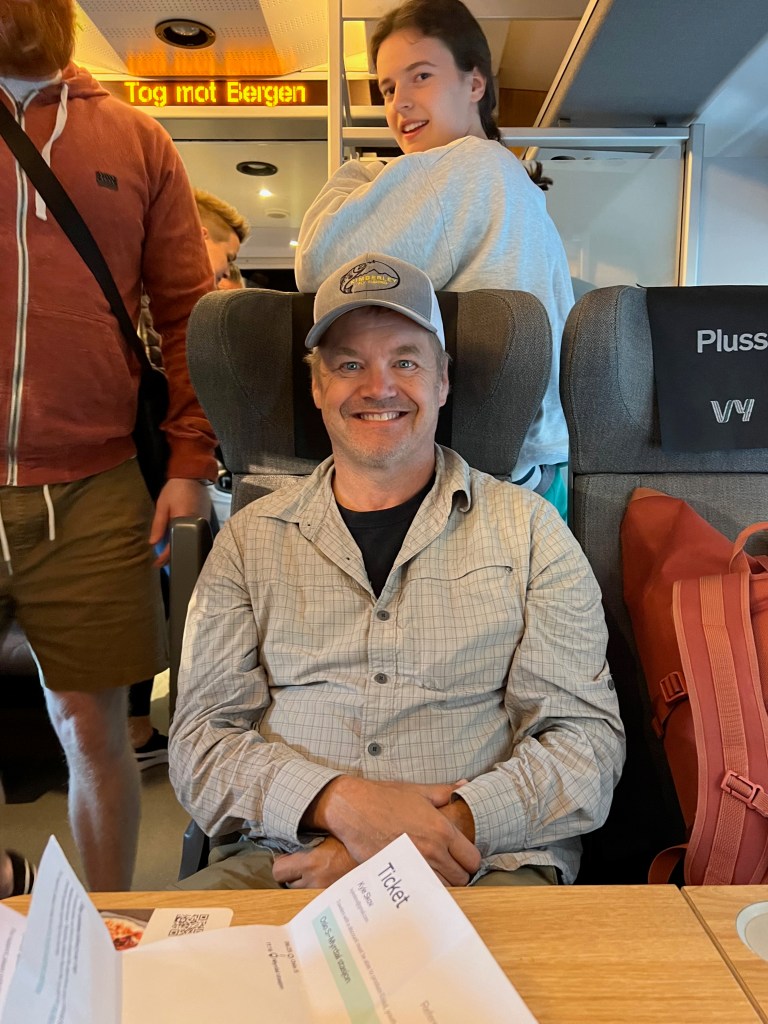
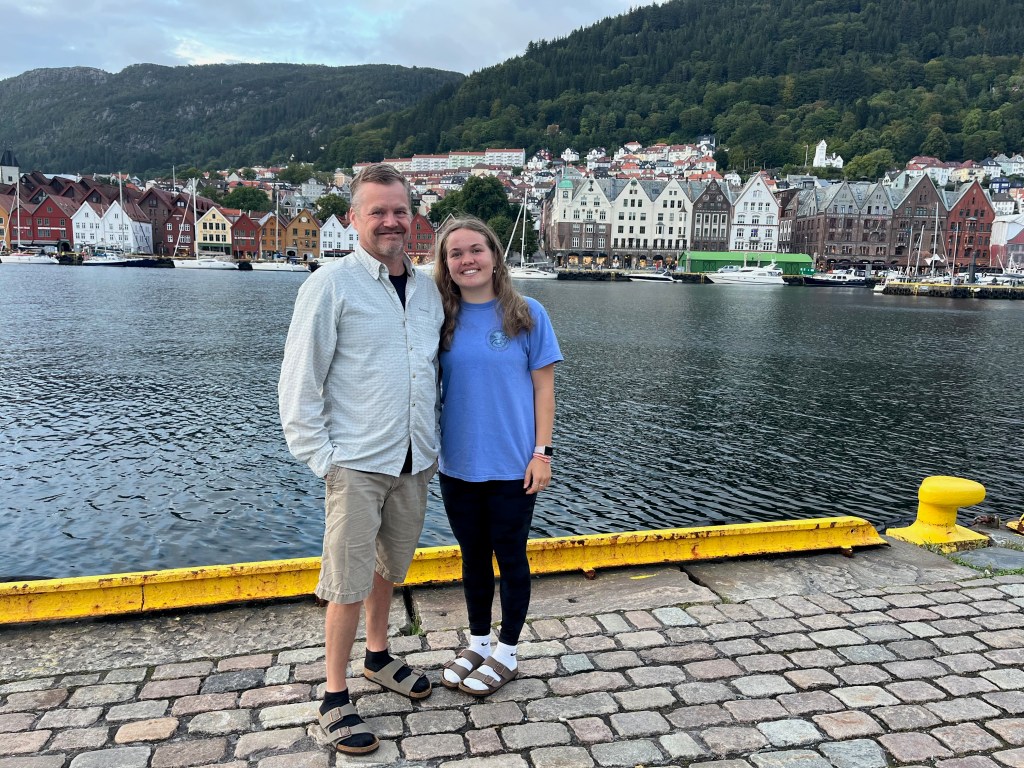
    In August 2024 Kyle Skov from Owatonna, Minnesota, took an unforgettable journey across Norway with his daughter Katie, and this is the official recap. From urban Oslo to the colorful streets of Bergen, this travel experience brought together dramatic scenery, peaceful fjords, and a fresh perspective that only Norway can offer.

    Oslo: The Perfect Start

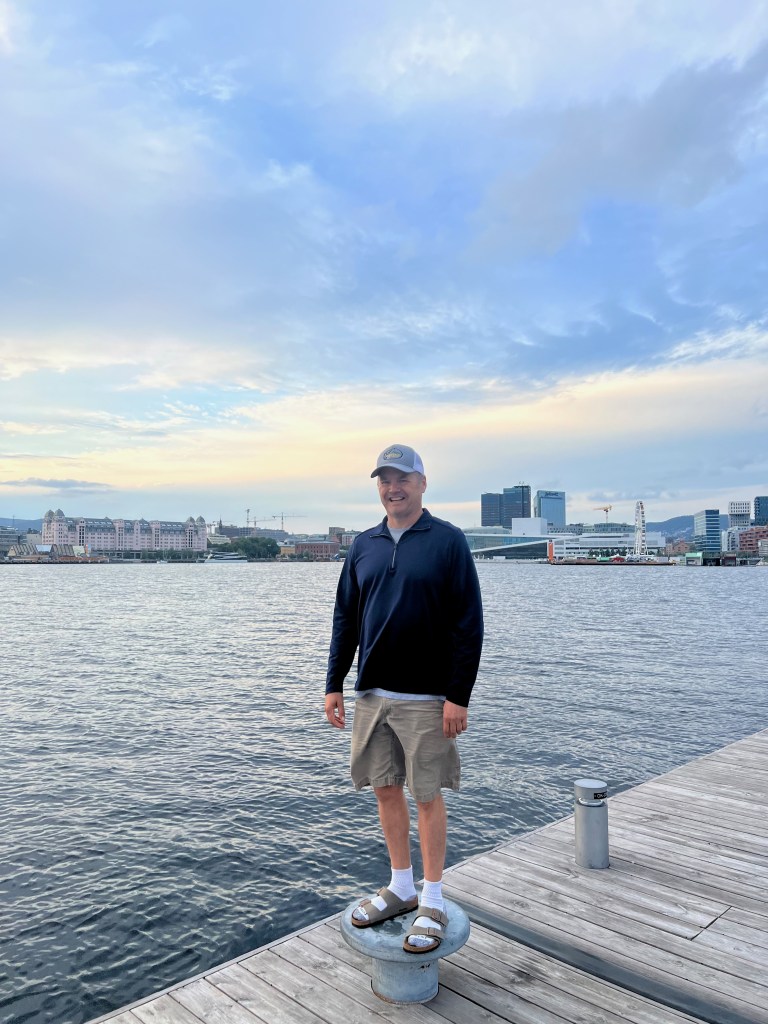
    Oslo welcomed us with clean lines, fresh air, and a vibe that felt both modern and grounded. As Kyle and Katie Skov explored Norway’s capital, the mix of old-world charm and modern design stood out. Highlights included the Royal Palace, the waterfront Opera House, and some top-tier pastries. Evening walks along the harbor were very enjoyable.  For travelers from Owatonna or greater Minnesota, Oslo sets the tone beautifully.

    Flåm: Postcard Views in Every Direction

    Leaving Oslo, we took the famous Flåmsbana railway—known for being one of the most scenic train rides on Earth. For Kyle and Katie, the train journey alone was worth the trip. Once in Flåm, nestled deep in a fjord, the peaceful surroundings and stunning views were hard to believe. No noise, no rush—just nature.

    Ferry Ride – Flåm to Balestrand

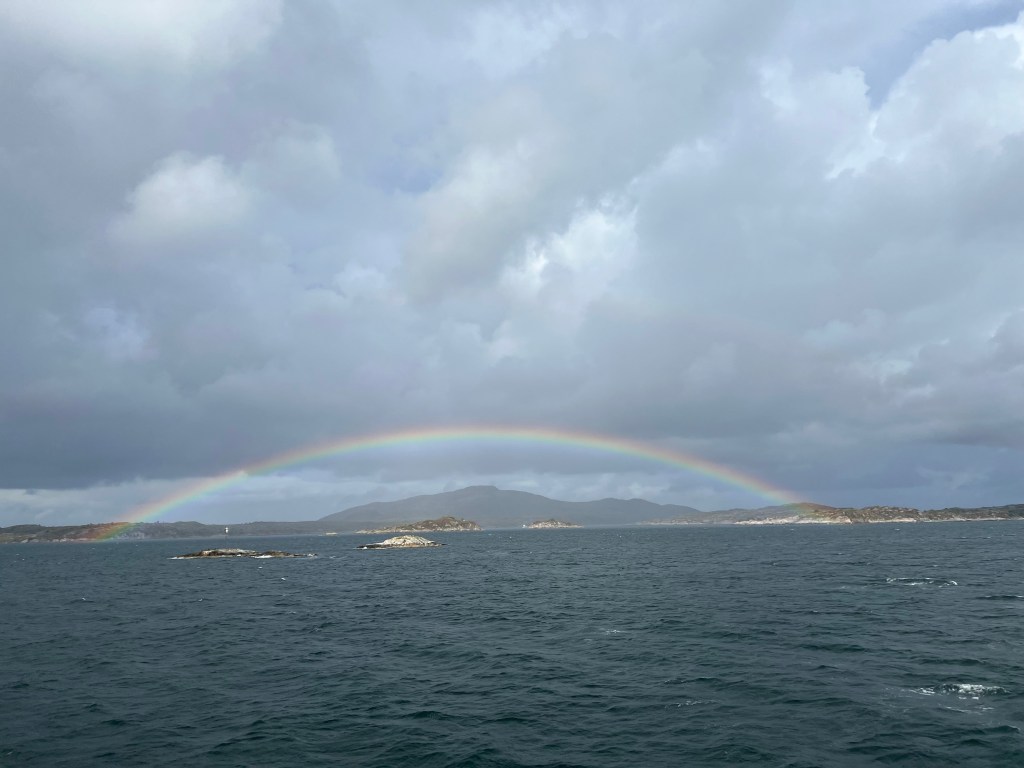
    When they advertised the ferry as “fast ferry” the Norwegians were not kidding.  The ferry from Flam to Balestand was definitely a new experience.  The fjords were breathtaking and if you went to the top deck to take in the view, you needed to be mindful of your hat or the breeze generated by the speed of the boat would result in the hat being blown off.

    Balestrand: Fjordside Serenity

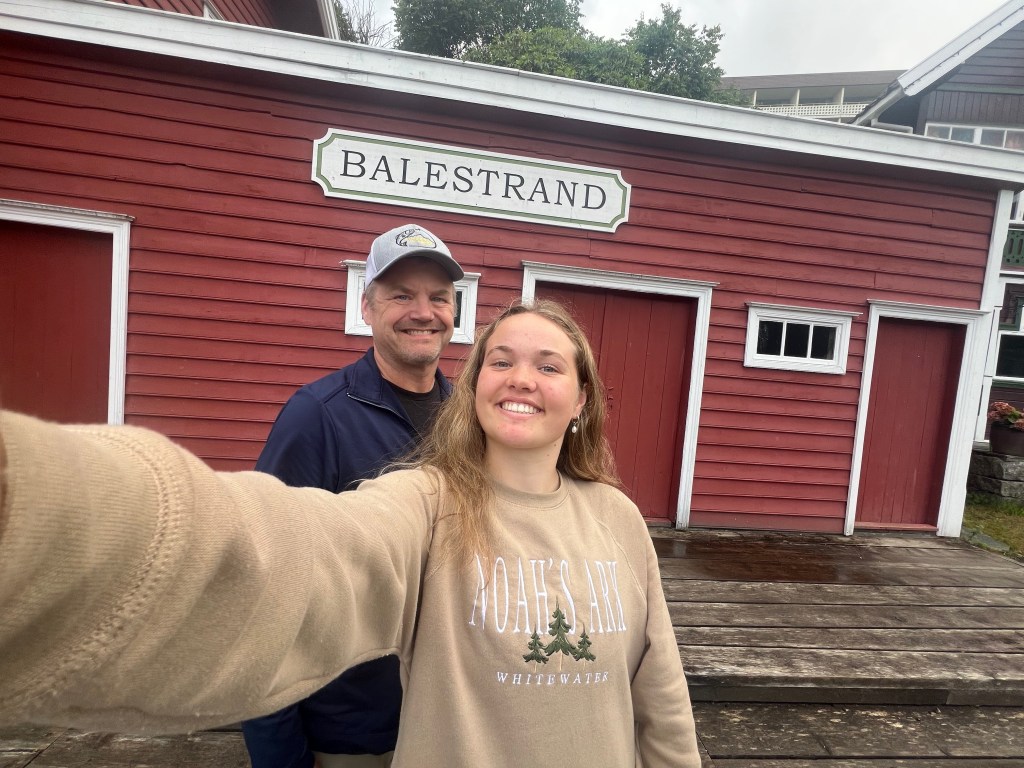
    Next, we made our way to Balestrand, a lesser-known gem that forces you to slow down. Kyle and Katie enjoyed this quiet town right on the Sognefjord where time moved differently. Morning coffee came with views of glass-still water and snow-capped peaks. For anyone in Minnesota looking for a true escape, this is it.

    Bøyabreen Glacier: Power and Presence

    One of their biggest highlights was Bøyabreen, part of the Jostedalsbreen glacier system. You don’t just see this glacier—you feel it. The fractured blue ice and roaring meltwater reminded them just how raw and powerful nature can be. No hiking boots required to appreciate the experience.  The quietness of the ferry ride from Balestrand to the glacier was memorable.  

    Bergen: A Colorful Finale

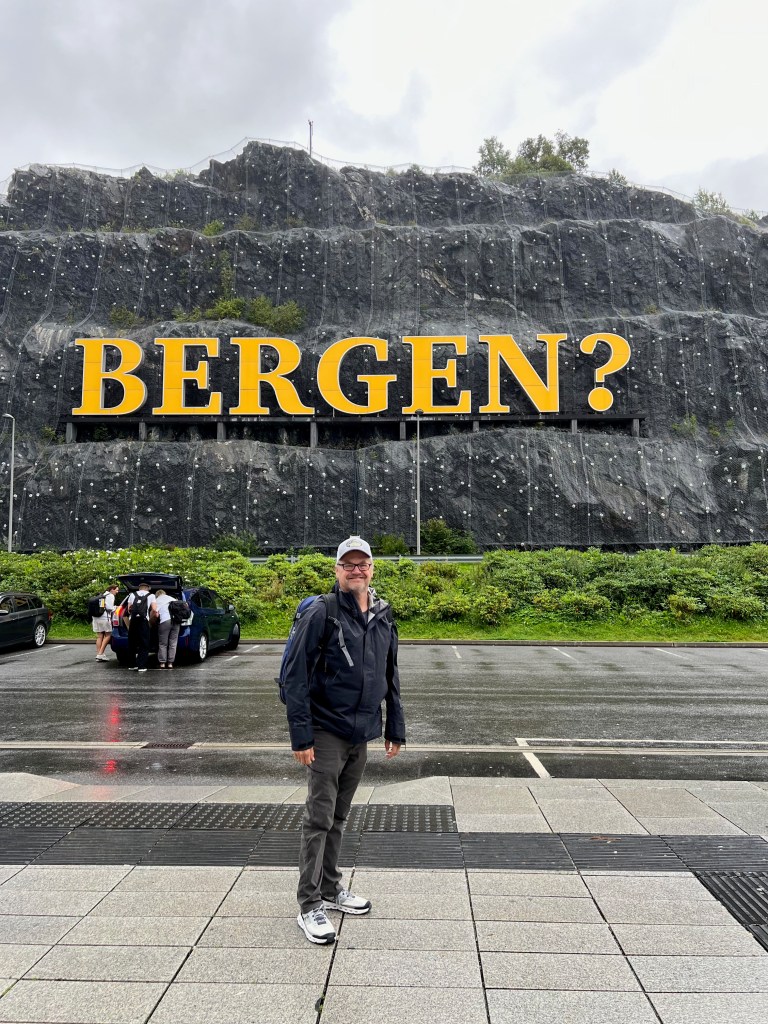
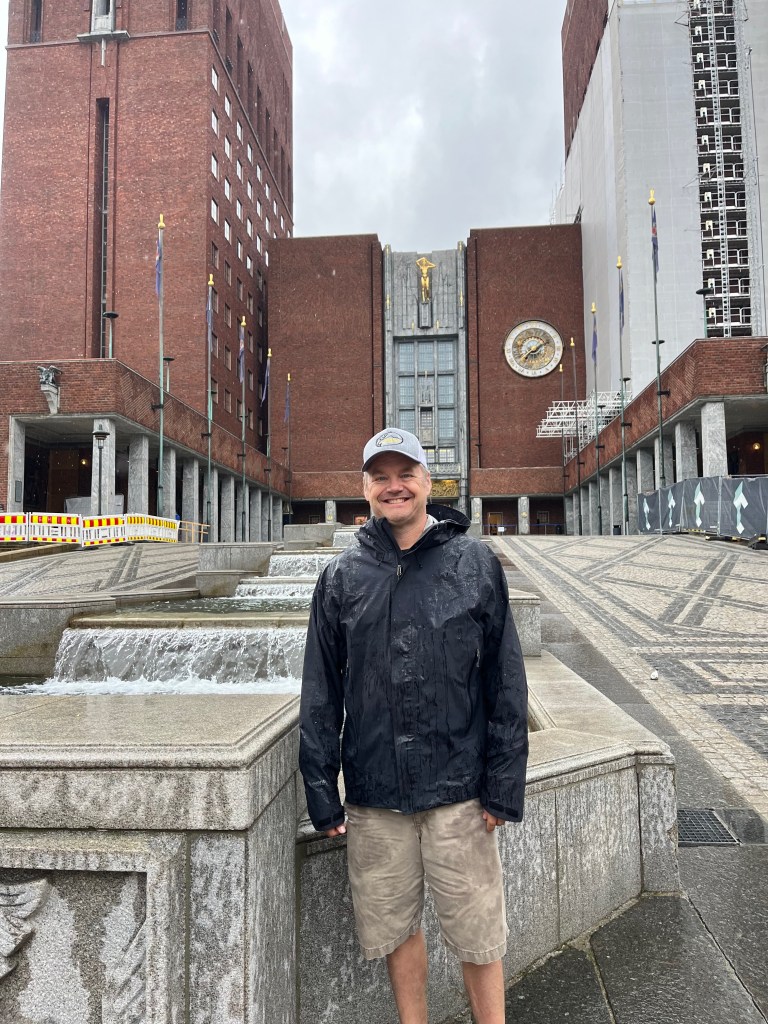
    The trip wrapped up in Bergen, a city with personality. Despite the rain (typical Bergen), the colorful Bryggen Wharf and funicular ride up Mt. Fløyen made it unforgettable. As Kyle and Katie wandered through the old streets, they found Bergen to be gritty, proud, and beautiful in its own way.


    Final Thoughts from Kyle Skov
    As someone from Owatonna, Minnesota, this trip—especially sharing it with his daughter Katie—was more than just sightseeing. It was a reminder that some of the most beautiful places on Earth are the quietest. Norway doesn’t need to try too hard—its natural beauty and relaxed culture speak for themselves.

    If you’re based in Minnesota and looking for an international destination that delivers on views, calm, and clean living, Kyle Skov recommends Norway—without hesitation.


    Need help planning your own Norway itinerary from Owatonna or anywhere in Minnesota? Let’s talk routes, rail passes, and real tips.

  • As a professional civil engineer based in southern Minnesota, I’ve always believed in the power of infrastructure to shape communities, not just physically, but socially and economically as well. Over the past year, I’ve had the privilege of contributing to several impactful public projects in our region. Two that stand out right now are the Silver Lake improvement efforts in Rochester and a one-way street redesign project in Austin.

    Silver Lake Enhancements – Rochester, MN

    Silver Lake is a central part of Rochester’s identity. It’s a place where residents gather, walk, bike, and relax year-round. The City of Rochester is investing $9.7 million into improvements for this important community space, and I’ve been fortunate to contribute engineering expertise to help bring those plans to life.

    This project addresses shoreline restoration, pedestrian trail upgrades, water quality improvements, and better stormwater management. But it’s also about listening. Community input has been a driving force behind the design, and transparency with residents has been a top priority. Local coverage from KAAL-TV highlights the kinds of questions we’ve been hearing—from lake levels to fish habitats—and how we’re working to address those concerns thoughtfully and sustainably.

    One-Way Street Project – Austin, MN

    In Austin, I’m supporting the design phase of a project that could reshape how traffic flows through parts of the city. The City Council explored options for two one way streets serving as a connector to downtown.  While many options were considered, City Council elected to narrow the street slightly and create a wider shared user sidewalk on one side.  All with a focus on improving safety, accessibility, and economic activity.

    We have finished the design and a contractor is scheduled to start working next week.  It’s not just a traffic project—it’s about how people interact with their downtown, how businesses thrive, and how future growth is supported by the right infrastructure. You can read more about this stage of the project in the Austin Daily Herald.


    Looking Ahead
    Civil engineering is often invisible until something doesn’t work. But when done right, it creates the conditions for vibrant, connected, and resilient communities. I’m proud to be part of these efforts and look forward to sharing more as these projects evolve.

    Kyle Skov, Owatonna, MN

  • Kyle Skov’s Backcountry Snowmobiling Adventure: Exploring the Bighorn Mountains from Owatonna, Minnesota

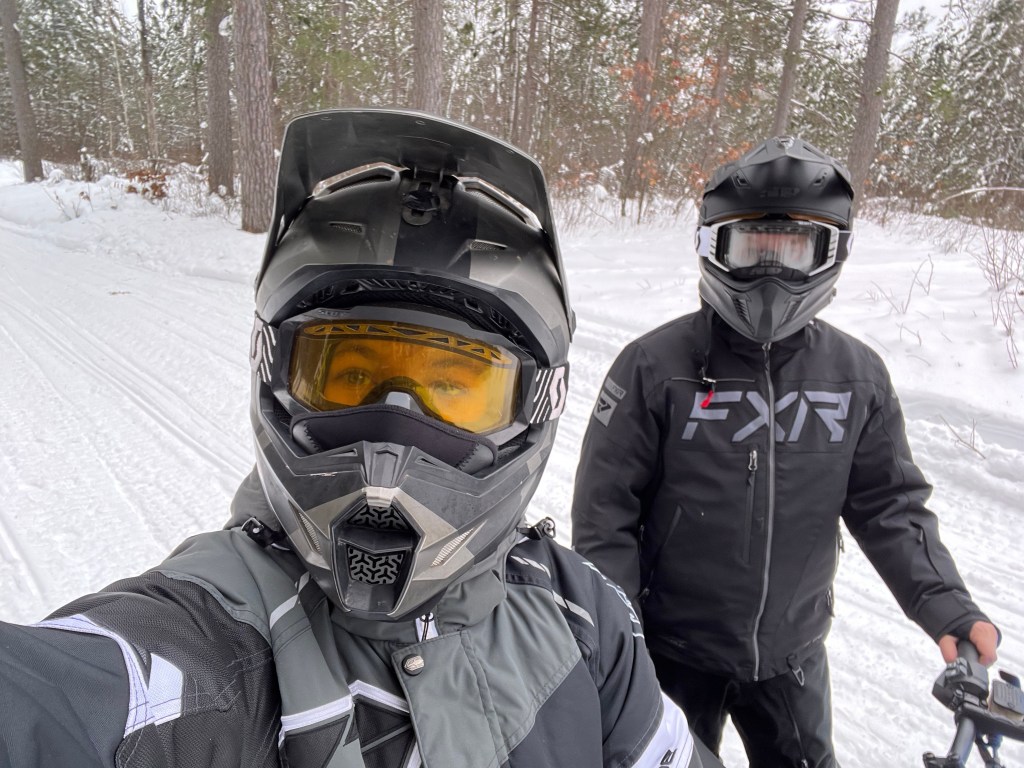
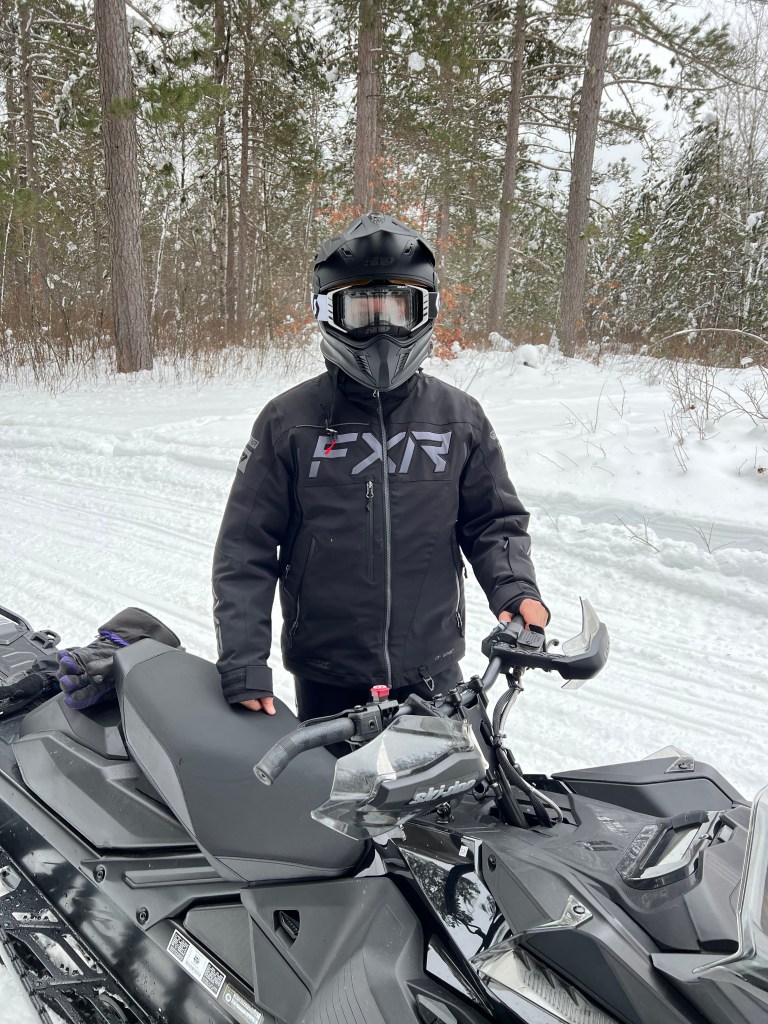
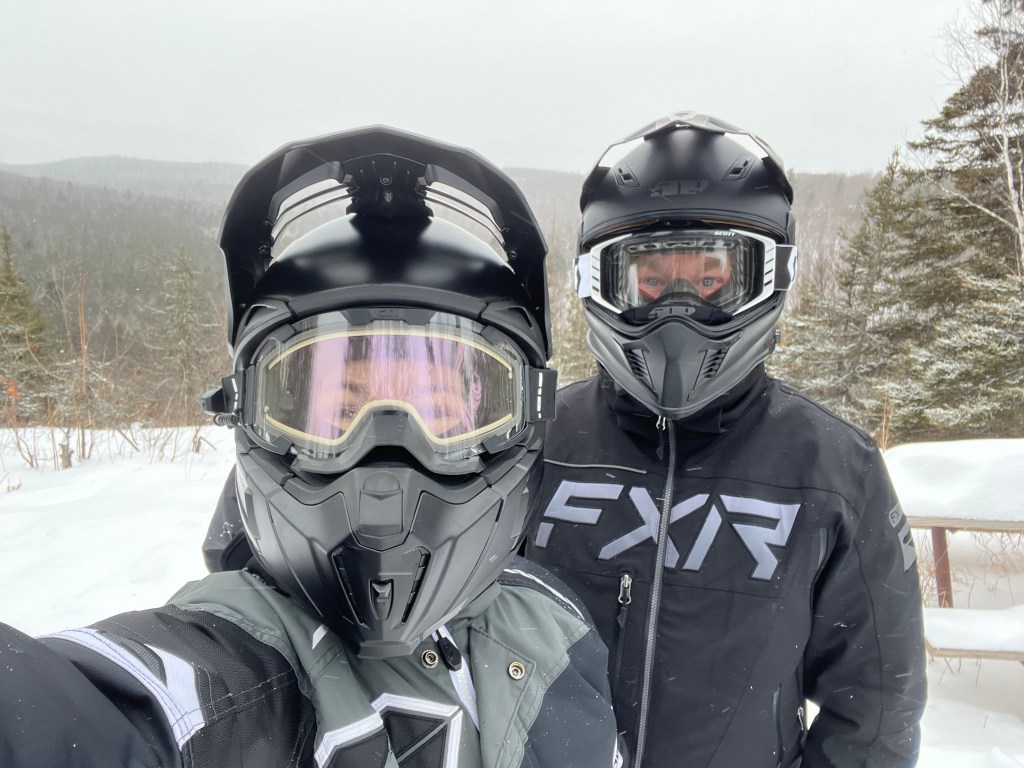
    When winter hits Owatonna, Minnesota, there’s no better way to embrace it than heading west in search of deep powder and open trails. That’s exactly what I, Kyle Skov, did with my daughter Katie, heading out  of southern Minnesota for an unforgettable backcountry snowmobiling trip in Sheridan, Wyoming.  


    Why We Chose Sheridan

    Sheridan sits along the eastern edge of the Bighorn Mountains, offering a quiet, authentic snowmobiling experience that’s a world apart from the crowds of Jackson Hole or Yellowstone. It’s a place where small-town charm meets rugged terrain — a dream for riders like me coming from Owatonna, MN, looking for space to ride without the hustle of major tourist spots.  


    Snowmobiling in the Bighorn National Forest

    Just west of Sheridan lies Bighorn National Forest, a snowmobiler’s playground with over 300 miles of groomed trails and endless off-trail opportunities. As someone who rides regularly in Minnesota, I was blown away by the variety out here:

    • Open meadows for high-speed runs
    • Deep powder basins for backcountry adventure
    • Steep terrain for those who like a challenge
    • Scenic trails for laid-back cruising

    We were able to rent snowmobiles from Sled Wyo and our guides Jeff and Ana were very patient and extremely hard working for a couple of flatlanders from Minnesota.  I’m sure they got a good workout from helping us get unstuck too many times to count


    Pro Tips for Your Trip

    • Best time to visit: Mid-December through early March
    • Conditions: Cold and dry — perfect for powder. Bring layers and goggles.
    • Fuel: Gas stations are limited in the mountains, so always top off in town before you ride.
    • First Time: Weather you have your own machines or not, if it is your first time or you don’t have a lot of backcountry snowmobiling experience, hire a guide.  Jeff and Ana were great.

    Final Thoughts from Kyle Skov

    For anyone in southern Minnesota — especially fellow riders in Owatonna — this trip is absolutely worth the drive. Sheridan offers something truly different: incredible snow, untouched terrain, and a chance to ride hard without the resort scene.

    This was one of my favorite snowmobiling trips yet. I’d go back in a heartbeat — and if you’re looking for a winter adventure beyond the Midwest, you should too.

    Designed with WordPress

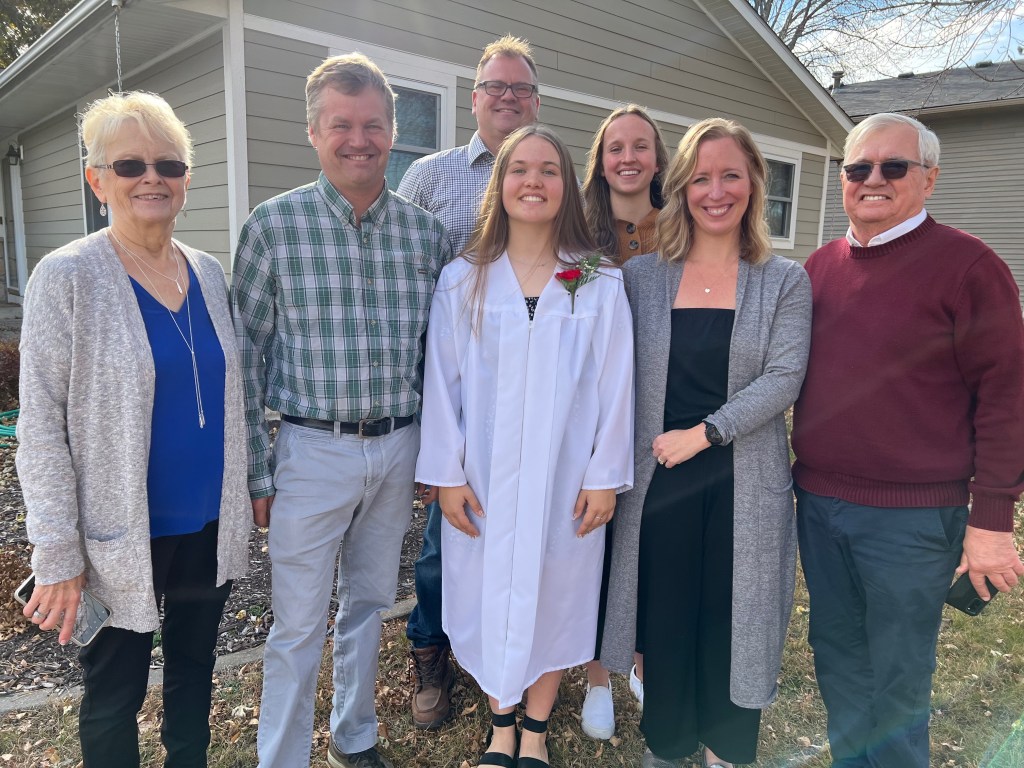
  • In just a few weeks, Katie Skov will head to college to begin her next chapter—and if you know Katie, you know she’s ready to chase what’s next.

    She’s always been curious about the world beyond Owatonna. From a young age, Katie has had an adventurous spirit—eager to learn, explore, and experience new places. That spirit has taken us on some incredible trips together over the years, from long weekends in the mountains skiing to once-in-a-lifetime journeys like our recent adventure to Norway. Whether we were hiking by glaciers or wandering through cities, Katie soaked it all in—always asking questions, always up for one more detour.

    And yet, no matter how far we traveled, coming home to Owatonna always meant something special. It meant catching up with friends, getting back on the ice for hockey or the field for soccer, and—no matter the season—celebrating birthdays at our favorite local Mexican restaurant. That became tradition: chips, enchiladas, laughter, and stories shared across the table.

    Katie’s years in Owatonna were filled with more than just practices and games. They were built around a sense of community, of pushing yourself hard, and of knowing you always had people in your corner. That mindset—the balance of independence and connection—is something she’ll carry with her to college.

    She’s not only prepared for college—she’s excited for it. She’s a traveler at heart, ready to navigate new spaces, meet new people, and keep learning. But no matter how far she goes, Owatonna will always be part of her story. It’s the foundation, the launchpad, and the place we’ll always come back to—maybe for a quick visit, maybe for enchiladas and a birthday candle or two.

    We couldn’t be prouder of her.